If you hired a structural engineer to inspect a bridge, and they just walked across it and said, “Looks good, mate,” you would fire them.
Yet this is exactly how most property managers inspect your $1 million asset.
They walk through, check if the carpet is clean, take a photo of the oven, and send you a report saying “Tenant is keeping the place tidy.”
This is not an inspection. It is a visit.
A tidy house does not mean a compliant asset. And in Auckland’s current insurance and regulatory environment, that distinction could cost you tens of thousands of dollars.
Does Your Rental Insurance Actually Cover You?
Most Auckland landlords assume their insurance is solid as long as they have a policy in place. The reality is more complicated.
Landlord insurance policies in New Zealand almost universally include a “gradual damage” exclusion clause. This clause means the insurer can decline a claim if the damage occurred gradually over time, and if you cannot demonstrate that you inspected the property with “reasonable diligence.”
Here is what that looks like in practice.
A slow leak develops behind the vanity in your North Shore rental. Over six months, water soaks into the framing. The gib swells. Mould establishes itself in the wall cavity. By the time it is discovered, the repair bill is $15,000.
You make a claim. The insurer asks for your inspection records. Your property manager sends over a report showing a photo of a tidy bathroom and a tick next to “bathroom: good.”
The claim is declined. You pay $15,000 out of pocket.
A photograph of a clean bathroom does not prove inspection diligence. A documented checklist item that reads “Checked vanity plumbing for moisture, signed and dated: Pass” does.
This is not a technicality. It is how insurance contracts actually work.
What Counts as “Reasonable Diligence” to an Insurer?
Insurers look for documented, systematic evidence that you actively monitored the property for the specific type of damage that occurred. A general “inspection passed” note does not satisfy that standard.
What does satisfy it:
Documented system-level checks. Written records showing that specific risk categories were assessed at each inspection, not just general tidiness.
Dated audit trails. Evidence that the property was checked at regular intervals, with specific findings recorded each time.
Proactive flagging. Records showing that early indicators were identified and acted upon before they became major failures.
This is not about bureaucracy. It is about having a paper trail that holds up when an insurer or the Tenancy Tribunal scrutinises your management practices.
Why Standard Inspections Create Insurance Risk
The typical Auckland property inspection is designed to assess tenant behaviour, not asset condition. The checklist was built to answer “is the tenant looking after the place?” rather than “is the asset performing within safe operating parameters?”
Those are different questions with different answers.
A tenant can keep a property spotless while a blocked downpipe is directing water toward the foundation. The inspector sees a tidy house. The insurer later sees a claim for $20,000 in subfloor damage.
Three specific areas where standard inspections consistently miss insurable risks:
Gutters and drainage. Blocked gutters can void water damage claims. Many standard inspections do not include a physical gutter check, let alone a written record of drainage condition.
Healthy Homes compliance drift. Insulation settles over time. Heat pump filters block. A property that was compliant in 2023 may not meet 2026 standards. Non-compliance creates liability exposure that standard inspections rarely track.
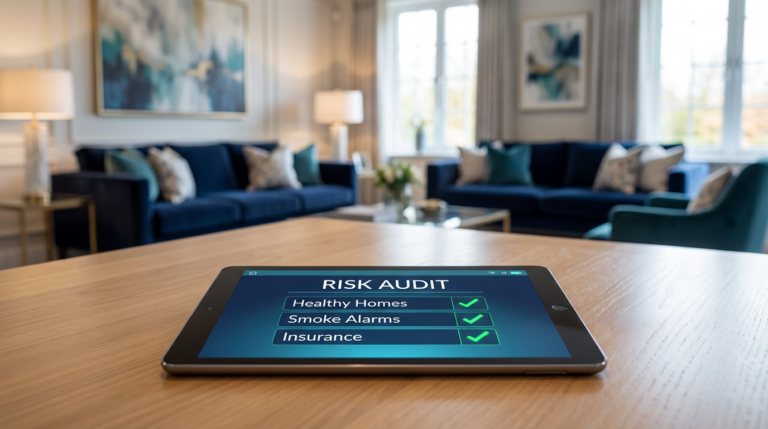
Electrical and smoke alarm status. An expired smoke alarm is not just a safety hazard. It can invalidate a fire damage claim entirely. A photo of a tidy hallway does not confirm smoke alarm compliance.
The Venko Approach: Risk Audits, Not Visits
At Venko Property, we do not do inspections. We conduct Risk Audits.
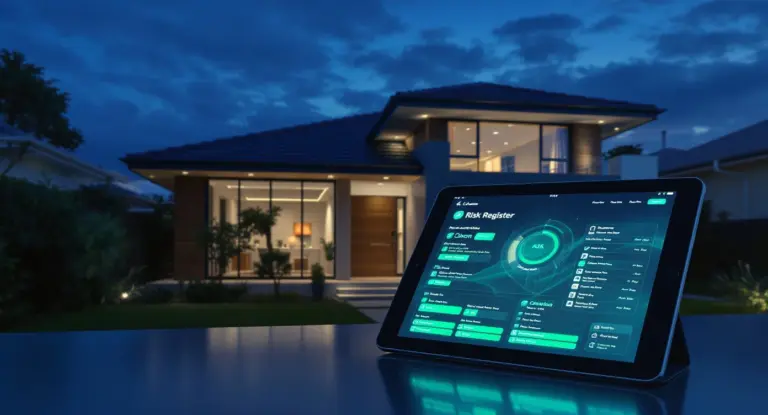
Every quarter, we assess your Auckland rental against a live Risk Register across 10 risk categories including weathertightness, plumbing integrity, electrical and safety compliance, Healthy Homes standards, and CapEx forecasting.
Each category is rated using a traffic light system. Green means stable. Amber means monitor. Red means act now.
Every finding is documented with a specific note, dated, and stored. That audit trail is your evidence of reasonable diligence if an insurer ever questions a claim.
The full breakdown of all 10 risk categories and how the system works in practice is covered in detail in our article on the Auckland Rental Risk Register.
The Cost of “She’ll Be Right”
When the Tenancy Tribunal calls, or when an insurer reviews a claim, “she’ll be right” is not a legal defence.
Documented systems are.
If your current property manager cannot show you a written, dated, category-level risk assessment from their last inspection, you do not have an inspection record. You have a visit report.
Want to know if your Auckland rental would survive a real risk audit?
Download our free 10-Point Auckland Rental Risk Audit and assess your property against the same categories we use every quarter.
[Download the Rental Risk Audit]
Or if you want to understand the full 10-category Risk Register system, read: The Auckland Rental Risk Register: How Serious Landlords Stay Ahead of Compliance, Damp Homes, and Tenant Disputes.
Disclaimer
This article provides general educational information only and is not financial, tax, legal, or professional advice. Property management regulations, compliance requirements, and market conditions vary by location and change frequently.
Always consult qualified, licensed professionals (financial advisers, accountants, solicitors, or real estate agents) before making property investment or management decisions. Venko Property Limited is a residential property management company and does not provide licensed advisory services.
Examples and figures reflect general market conditions at the time of writing and may not apply to your specific situation.